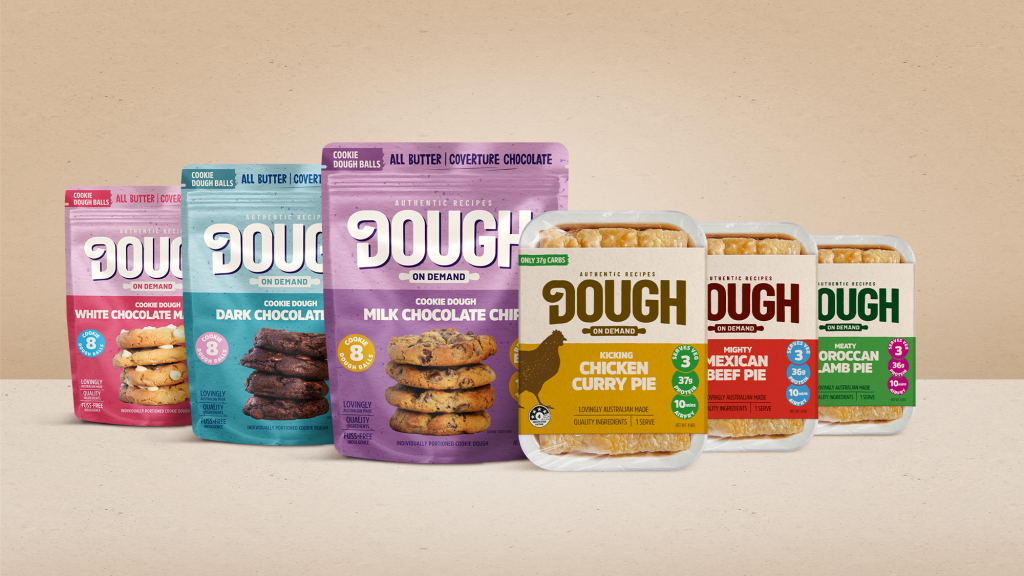
In the crowded world of retail shelves and online marketplaces, packaging is no longer just a container — it’s your silent salesperson. For small food brands especially, getting your packaging right can mean the difference between standing out and being overlooked. But too often, young brands stumble into avoidable mistakes that cost them sales, shelf space, and customer trust.
Let’s fix that. Here are 3 of the most common packaging mistakes small food brands make — and how to avoid them.
Designing for Yourself, Not Your Customer
The Mistake:
Many emerging brands design packaging based on what they like, not what their target customers respond to. Bold colours, intricate logos, or niche messaging might feel personal — but if your customer doesn’t connect with it in those crucial first seconds, your product won’t move.
The Fix:
Know your audience like you know your recipe. Are you targeting busy mums? Health-conscious millennials? Gourmet foodies? Build packaging that speaks their language. Use clear, benefit-led messaging and visuals they’ll relate to. And remember — simplicity sells.
Prioritizing Cost Over Shelf Impact
The Mistake:
In an effort to save money, some small brands opt for cheap materials, poor print finishes, or awkward sizing. The result? Packaging that feels flimsy, fades under lights, or gets lost beside competitors.
The Fix:
You don’t need to go ultra-premium — but you do need to choose wisely. Invest in sturdy, food-safe materials and finishes that feel good in hand and photograph well online. Think about how your pack will look under harsh supermarket lighting, stacked on shelves, or photographed for social media. Smart packaging doesn’t have to be expensive — it has to be considered.
Ignoring Retail and Compliance Requirements
The Mistake:
It’s easy to get caught up in how packaging looks, forgetting about retailer expectations and food safety regulations. Not following size specs, barcode placement guidelines, or nutritional label requirements can get your product rejected from stores or delayed in approvals.
The Fix:
If you’re planning to sell in major grocery chains or export markets, get familiar with their packaging guidelines early. Work with a packaging designer experienced in food retail to avoid costly redesigns down the track. Bonus: compliant packaging builds consumer trust too.
Final Thought
Your packaging does more than protect your product — it tells your story, sets expectations, and influences buying decisions in seconds. Avoid these common missteps, and you’ll not only look better on the shelf — you’ll sell better too.
Need help making your food packaging stand out?
Get in touch with our brand design agency in Sydney for smart, retail-ready packaging that performs.