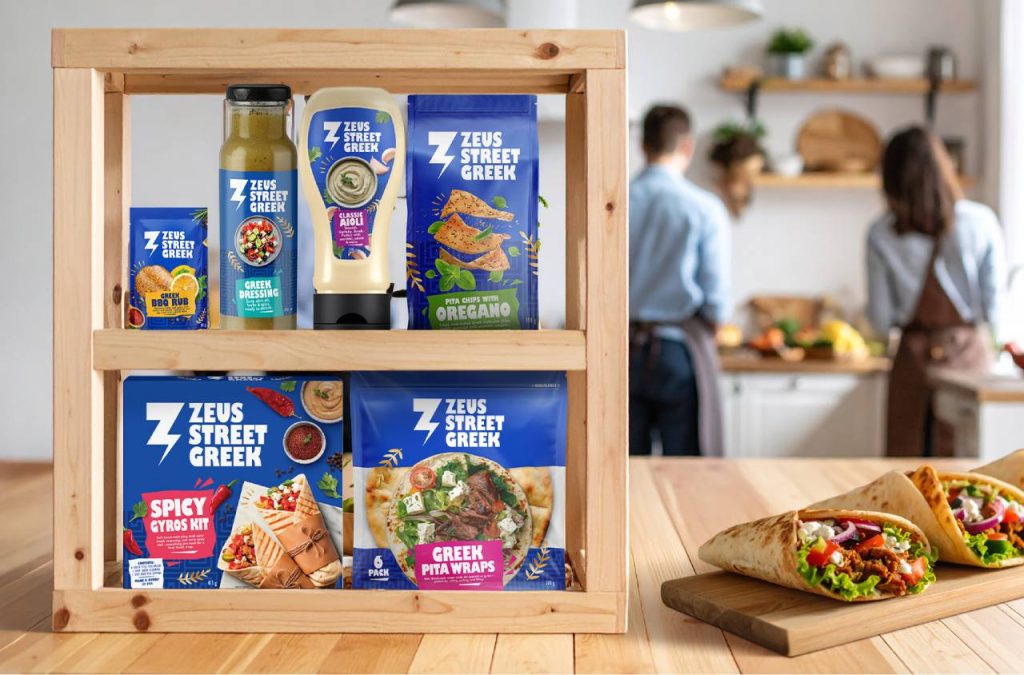
Packaging trends have always evolved alongside consumer behavior. What feels fresh today may feel outdated tomorrow. Yet one debate continues to dominate brand discussions: Should packaging be minimal or maximal?
The answer isn’t as straightforward as choosing one over the other.
Successful brands have emerged from both approaches, while others have struggled despite investing heavily in visually appealing packaging. The difference rarely comes down to how much or how little appears on the pack. Instead, it lies in how effectively the packaging communicates a brand’s identity and resonates with consumers at first glance.
Minimalism Isn't About Less. It's About Clarity.
Minimalist packaging has become synonymous with modernity.
Clean typography, generous white space, muted color palettes, and restrained design create an impression of confidence. Rather than competing for attention through visual overload, minimalist packaging encourages consumers to pause and engage.
This approach is particularly effective for industries where trust, transparency, and sophistication influence purchasing decisions, including wellness, premium food, and lifestyle products.
However, minimalism comes with its own challenges.
With fewer design elements, every detail becomes more significant. Typography, layout, structural design, and finishing must work together seamlessly. Otherwise, minimalist packaging can easily appear generic rather than premium.
Maximalism Is Making a Strong Comeback
While many brands embraced minimalism over the past decade, there is now a noticeable resurgence of maximalist packaging.
Consumers are increasingly drawn to designs that feel expressive, nostalgic, and emotionally engaging.
Bold color palettes, layered illustrations, vibrant typography, intricate patterns, and storytelling-driven graphics are helping brands create memorable shelf presence, particularly in crowded retail environments.
Maximalism succeeds because it sparks curiosity.
When executed thoughtfully, packaging transforms from a functional container into a memorable brand experience.
Today's Consumer Buys Emotion Before Product
Consumers today are influenced as much by emotion as functionality. Packaging has become an extension of a brand’s identity, helping people connect with products that reflect their personality and values.
Minimalist packaging often conveys elegance, simplicity, and sophistication, while maximalist packaging communicates creativity, energy, and individuality. The real question isn’t which style is better, but what emotion the packaging creates within the first few seconds.
Social Media Has Changed the Rules
Packaging design now competes beyond retail shelves. Products must also stand out on Instagram, TikTok, YouTube Shorts, and e-commerce platforms, where visual appeal drives engagement. Whether bold or understated, successful packaging creates a memorable impression across every touchpoint.
The Future Isn't Minimal or Maximal
Many brands design agency sydney are blending both approaches by combining clean layouts with bold accents, expressive illustrations, or premium finishes. The strongest packaging isn’t driven by trends but by design choices that align with the brand’s identity and audience.
Start With Strategy, Not Style
Effective packaging begins with understanding the target audience, the product’s positioning, and the story the brand wants to communicate. Once these elements are defined, the right visual direction follows naturally.
Final Thoughts
Packaging trends will continue to evolve, but one principle remains constant: great packaging isn’t about choosing minimalism or maximalism—it’s about creating meaningful connections. The most successful designs reflect the brand’s identity, resonate with consumers, and leave a lasting impression.
Ready to create packaging that stands out for all the right reasons? Whether your brand leans towards minimalism, maximalism, or a thoughtful blend of both, the right design starts with strategy. Relax Design, a brand design agency in Sydney, helps businesses create packaging that captures attention, reflects their brand identity, and leaves a lasting impression.