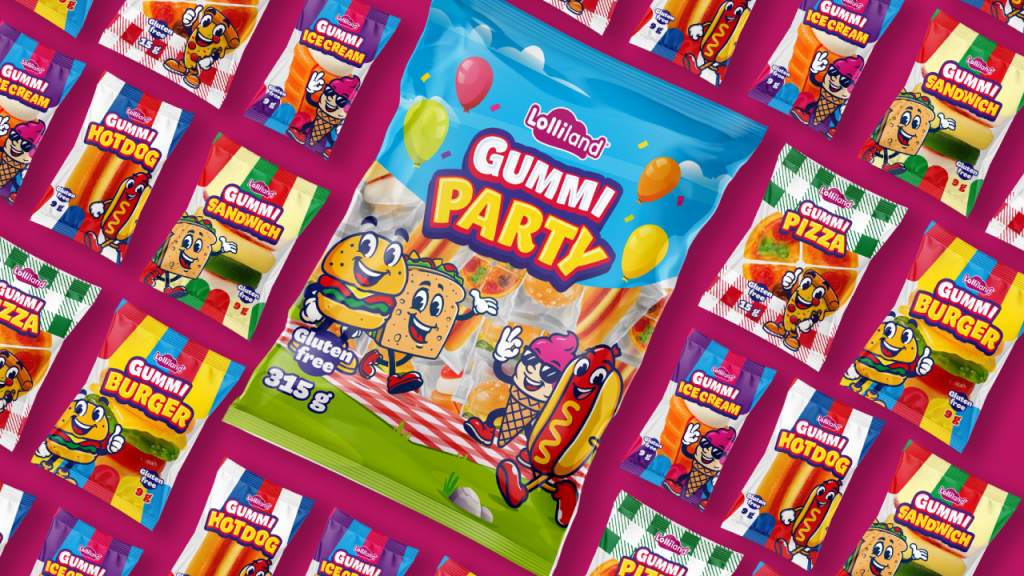
For years, food packaging was designed with one primary environment in mind: the retail shelf. The objective was straightforward—stand out among competitors, communicate the product and encourage purchase.
That model is no longer enough.
Today, consumers often encounter a food brand on a screen before they ever see it in a store. A product may appear in a recipe video, an influencer’s kitchen, a social post or an e-commerce listing before it reaches the shopping basket.
This has fundamentally changed what packaging needs to achieve.
Packaging Has Become Part of the Brand's Content
Packaging is no longer simply a physical asset. It is increasingly a visual brand ambassador.
When a customer photographs a product or a creator features it in a video, the packaging becomes part of the content. Its colours, typography, structure and visual language are suddenly communicating the brand to an audience that may never have encountered it on a physical shelf.
This creates a new responsibility for designers: packaging needs to be recognisable, distinctive and visually relevant across both physical and digital environments.
Designing for the Scroll—and the Shelf
The dynamics of social media are very different from those of retail.
On a shelf, consumers may spend several seconds comparing products. On a social feed, a package may have only a moment to register.
This doesn’t necessarily mean packaging needs to become louder or more complicated. The strongest designs often do the opposite. Clear hierarchy, distinctive brand assets and disciplined use of colour can create stronger recognition than visual noise.
The objective isn’t to chase attention at any cost. It is to build an identity that consumers can recognise instantly.
The Rise of Shareable Packaging
Social media has also introduced a new measure of packaging success: shareability.
A thoughtfully designed package can encourage customers to photograph it, include it in a recipe, feature it in an unboxing or simply keep it visible in their content.
But visual appeal or being“Instagrammable” should not become a design strategy on its own. Packaging designed purely to generate a photograph can quickly become a gimmick.
The better question is: Does the packaging express something meaningful about the brand?
When the answer is yes, shareability becomes a natural consequence of good design rather than the objective.
Consistency Creates Recognition
One of the biggest opportunities created by social media is the ability to build brand recognition before purchase.
A consumer who sees a product online should be able to recognise it instantly when they encounter it in a supermarket.
That requires consistency across packaging, social media, photography, advertising and digital experiences.
The strongest food brands don’t design their packaging and social presence separately. They build one cohesive visual identity that works everywhere.
Packaging Is Now Part of the Customer Journey
Social media has not made the physical shelf irrelevant. It has expanded the role of packaging.
The modern package must perform across multiple moments—from discovery and consideration to purchase, delivery, unboxing and sharing.
For food brands, this represents more than a design trend. It is a strategic shift.
The future of packaging belongs to brands that understand that the package isn’t just what consumers buy—it is one of the ways they experience, recognise and remember the brand.
Ready to create a powerful brand asset for your food business? Get in touch with Relax Design for Food Packaging in Sydney and let’s create a brand experience that gets noticed, remembered and chosen.